

Write Your Own Heritage Cookbook
Creating your own heritage cookbook is a deeply personal and rewarding journey that connects you to your roots while preserving family traditions for future generations. It begins with gathering recipes that have been passed down through your family—those dishes that evoke memories of holidays, celebrations, and everyday comfort. These recipes are more than just instructions; they’re cultural artifacts. Interviewing elders, digging through handwritten notes, and even recreating dishes from memory can help you uncover the culinary legacy that defines your heritage.
Where to Start
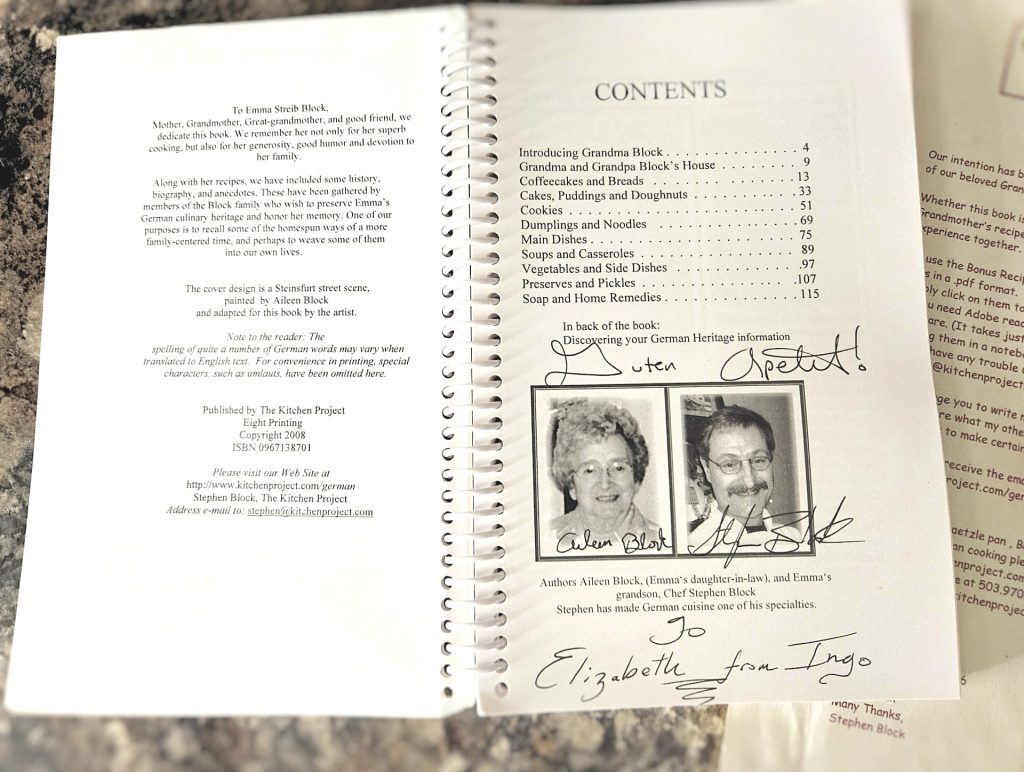
First it’s good to have a Brainstorming pad. Bring up the Brainstorming Template in the link below if you want a guide, and start jotting down some ideas. the suggestions of the different areas of interest in the template can help to give shape to the ideas.
Once you’ve collected your recipes, the next step is to weave them into a narrative that reflects your family’s story. A heritage cookbook isn’t just about food—it’s about context. Include anecdotes, historical background, and personal reflections that bring each dish to life. Explain how certain ingredients were sourced, how cooking methods evolved, and what role each dish played in your family’s traditions. Photographs, old letters, and cultural symbols can enrich the storytelling, turning your cookbook into a tapestry of identity and memory.
Let’s Start a Brainstorm Session >>
Dish Discovery
Let’s take Sauerbraten, a classic German pot roast, as an example. Tracing its evolution reveals how geography and technology have shaped its many variations. Originally developed as a way to preserve meat before refrigeration, Sauerbraten was marinated for days in vinegar and spices to tenderize tougher cuts and tame the gamey flavor of wild meats like venison or horse, which were commonly used in earlier versions. Over time, regional styles emerged—Rhineland versions often include raisins and a sweeter gravy, while Franconian styles lean more savory. As cooking tools advanced, slow cookers and pressure cookers replaced open hearths and Dutch ovens, changing not just the preparation time but the texture and depth of flavor. Studying these shifts gives you a vivid illustration of how one dish can travel through centuries, adapting to local tastes, available ingredients, and modern conveniences—all while retaining its cultural soul.
Here are some resources to research your recipe >>
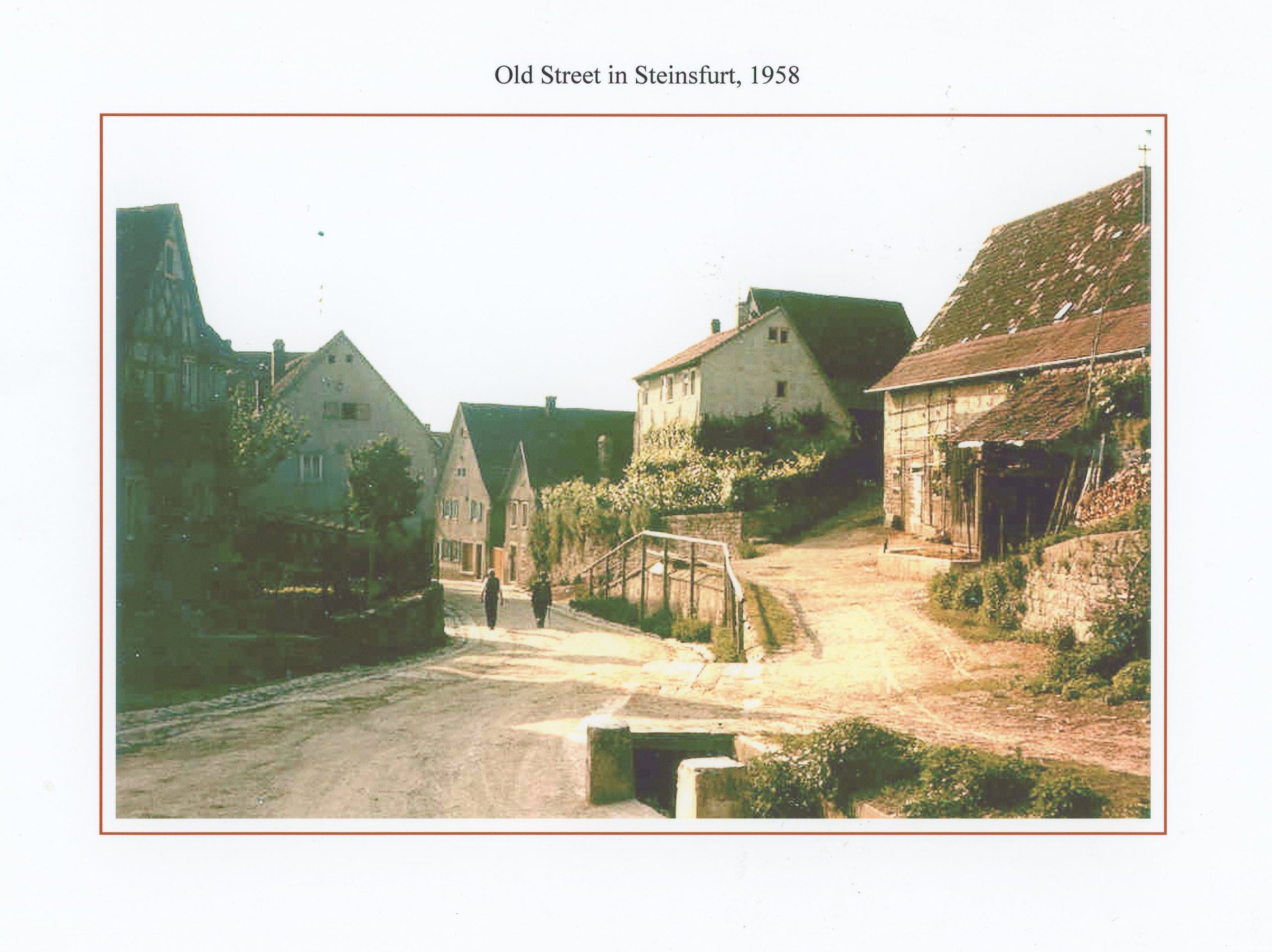
Printing , and Sharing and Marketing your Cookbook.
To successfully market your heritage cookbook, spotlight the rich cultural stories behind each recipe—these aren’t just meals, they’re memories passed down through generations. Use social media to share behind-the-scenes anecdotes, family traditions, and vibrant food photography that evokes nostalgia and pride. Partner with local cultural organizations, food bloggers, and community events to host tastings or storytelling nights that bring your cookbook to life. Highlight the cookbook’s role in preserving heritage and connecting people to their roots, making it not just a collection of recipes, but a treasured keepsake. Let your audience feel like they’re being invited into your family kitchen.